May 26, 2026
Holding the Veterans Affairs Secretary Accountable for the Severely Damaged Veterans’ Health Care System
In February 2025, representatives from Elon Musk’s Department of Government Efficiency (DOGE) began working with the newly appointed Department of Veterans Affairs (VA) Secretary Doug Collins to identify alleged wasteful contracts and improve VA operations. DOGE cancelled hundreds of VA contracts and carried out thousands of staffing reductions, including the dismissal of probationary employees, under the downsizing initiatives. By January 2026, the VA had shed another 40,000 jobs through resignations, retirements, and hiring freezes.
So, with all of the job cuts in 2025, how can Secretary Collins claim the current administration has improved the VA health care system for veterans in 2026? An August 2024 Report by the Veterans Healthcare Policy Institute, titled “A Second Trump Term Would Decimate Veterans’ Healthcare and Benefits: Analyzing the Impacts of Project 2025 on the Veterans Health and Benefits Administrations,” accurately predicted that the damage to veterans and the VA’s disability benefits system would include longer wait times, worsened outcomes for compensation and pension decisions, more errors in VA claims decisions, anti-veteran regulations, eliminated benefits, and a purge of top VA career federal officials. More private, for-profit companies will now perform disability medical examinations, creating a blended workforce with more contractors processing claims. This will make it much harder for veterans to get a disability rating based on their service-connected conditions. Veterans are seeing a system gutted by budget cuts, outsourced care, and ceaseless attacks on organized labor, which represents tens of thousands of veteran workers.
On March 9, 2026, the VA issued a press release titled, VA Moves to Speed Up Community Care Appointment Scheduling, which states that “The new External Provider Scheduling system gives VA employees instant access to the scheduling systems of all community care providers who participate in this program. With that information, VA can immediately book appointments for Veterans that fi t their schedules.” This means that the VA Secretary announced the creation of a new community care scheduling system designed to outsource appointment scheduling, using artificial intelligence (AI) and automation to process veterans’ disability claims. Secretary Collins was sworn into office in February 2025. How could he claim that he improved the veterans’ health care system if he let DOGE put VA jobs and programs on the chopping block? Veterans must hold Secretary Collins accountable for the current state of Veterans’ health care.
The AFL-CIO’s Union Veterans Council (UVC) responded on March 13, addressing the VA’s plans to use AI to review over one million disability benefits questionnaires and claims. “We recognize the importance of maintaining the integrity of the VA benefits system,” said UVC Executive Director Craig Romanovich. “However, the implementation of AI must not come at the expense of transparency or the rights of individual Veterans. When we begin treating the VBA’s obligations as a budgetary line item to be managed by algorithms, we risk losing sight of the service and sacrifice those benefits are meant to honor.” Our goal is to ensure that technology is used to support veterans, not to create new barriers to veterans’ care. “Decisions that impact a Veteran’s livelihood must remain rooted in human judgment and medical expertise. We are calling for clear guardrails and Congressional oversight, to ensure that no Veteran’s due process is compromised by an automated system.”
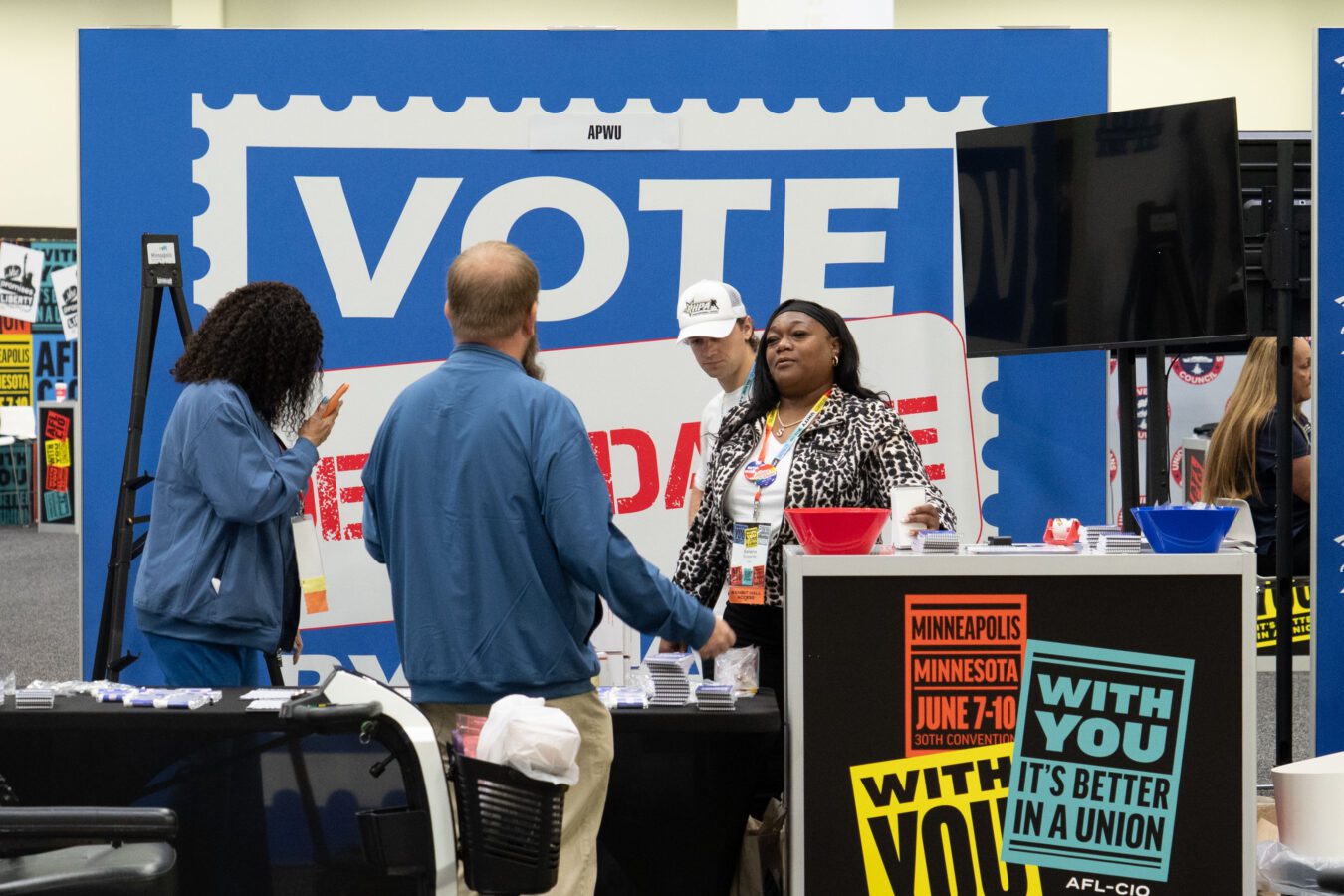
The UVC is an official AFL-CIO constituency organization. The APWU is one of 36 unions on the governing board. The council was established in 2009 to bring working-class veterans together to speak out on the issues that impact us most: the need for good jobs and a strong, fully funded, and staffed VA. The UVC remains committed to working with the VA and Congress to ensure that the veterans’ claims process remains fair, accurate, and focused on the needs of those who served.