June 29, 2026




Stand Up for the Postal Service’s Role in Vote-by-Mail
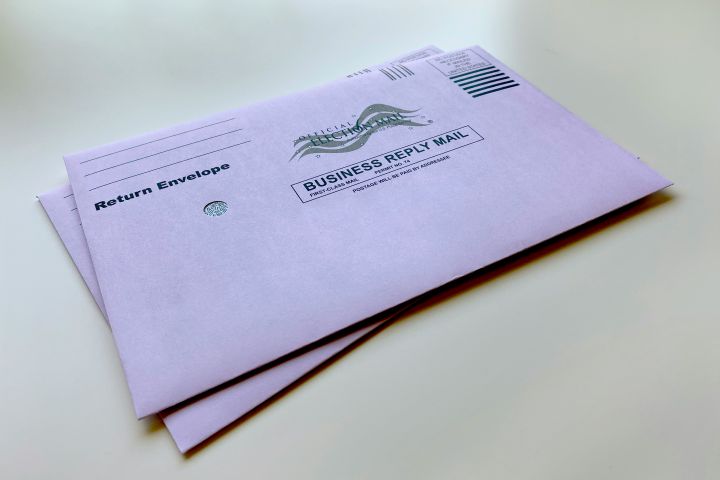
On June 29, the APWU filed formal comments opposing the Postal Service’s proposed changes to ballot mail for federal elections.
The proposed rule is unprincipled, unworkable, and unlawful. It would undermine public trust in the Postal Service, create unnecessary confusion around election mail, and threaten one of the most important public services that postal workers provide, which is helping Americans safely and securely cast their ballots during election season.
This proposal should be abandoned entirely. Even if only parts of the rule are adopted, the damage to public confidence and First-Class Mail could be significant. The rule is a dangerous step away from the valuable and vital public service mission the Postal Service is founded on.
You can read the APWU’s full comments here: APWU VBM Comments.
Postal workers know better than anyone what it takes to move the nation’s mail—and how important it is that every eligible voter can trust the Postal Service to handle election mail reliably. APWU encourages postal workers to take time to submit their own comment using the form below.
The public comment period is open now through Thursday, July 2, at 5 p.m. ET. By submitting a comment, you can help show the widespread opposition to this proposal.
Use the form below to submit your comment. It only takes a few minutes, and every comment helps build the public record.