June 29, 2026

APWU President Jonathan Smith Sets the Record Straight on Postmaster General Steiner’s Congressional Testimony

On Wednesday, June 24, Postmaster General (PMG) David Steiner testified before the Homeland Security and Governmental Affairs Committee about the state of the Postal Service and how he is addressing the financial challenge it faces. PMG Steiner opened the hearing with an update on the progress he has made since the hearing in March, which includes a hiring freeze, reduced transportation costs, and better on-time delivery.

During the hearing, there was a lot of discussion about the Postal Service’s financial challenges, but too much of the hearing focused on a premise that is fundamentally flawed; that the USPS should be run like a private business. The Postal Service is a public service and has a universal service obligation, mandated by law, to provide reliable, affordable mail and package services to all Americans, regardless of where they live or do business, which is more than 170 million homes and businesses across the country. It is not a business whose success is measured only by profit, and comparing the Postal Service to a private business is absurd.

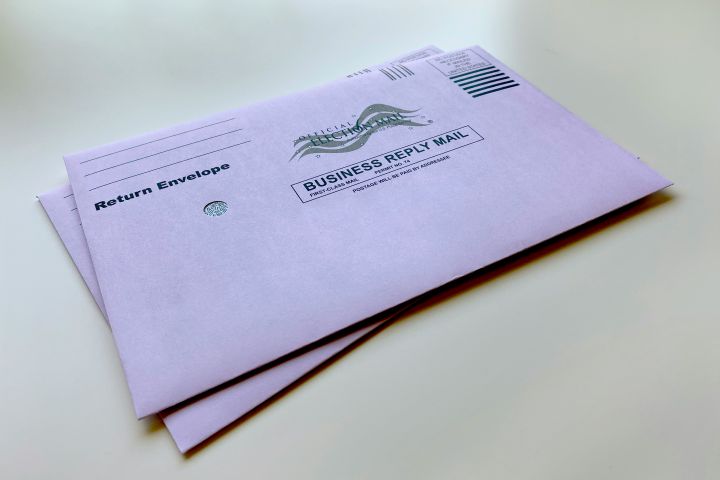
During the cross examination, several senators argued that the answer to the Postal Service’s financial challenges is outsourcing, cutting jobs, and reducing service — including proposals to cut six-day delivery and drastically limit Vote-by-Mail. The APWU wholeheartedly disagrees with each and every one of those proposals. The Postal Service does not need to privatize its work, weaken its workforce, or abandon communities and democracy to succeed. Instead, the Postal Service should fix the structural financial problems so that we can continue to fulfill our promise to America, providing universal service to every zip code, every community, and every household.

Therefore, we suggest three common-sense solutions, which we outlined in our May Livestream.

Our message to the Senators is this:

  • Increase the USPS’s borrowing authority so the Postal Service can manage its finances more effectively;
  • Update the USPS investment rules to allow a more responsible and diversified investment strategy, rather than limiting retirement assets exclusively to Treasury securities; and
  • Fix the Civil Service Retirement System (CSRS) allocation.

The Postal Service’s financial challenges are real, and so are the issues with service quality and delivery to rural America. However, the path forward is strengthening the public Postal Service and making sure it works for our communities and the workers who serve them, not cutting jobs and services that Americans rely on. Postal workers didn’t create these financial challenges, and they shouldn’t be asked to pay the price for them.

We will continue fighting for a strong public Postal Service that serves every community and protects good union jobs. Post offices are at the heart of every community in America. We should work to make it the vibrant, public service that Americans know they can rely on.